Melbourne-based writer and developer Belle Beth Cooper recently shared some helpful tools and tips on researching scientific content for your next writing project. Some points that stood out to me:
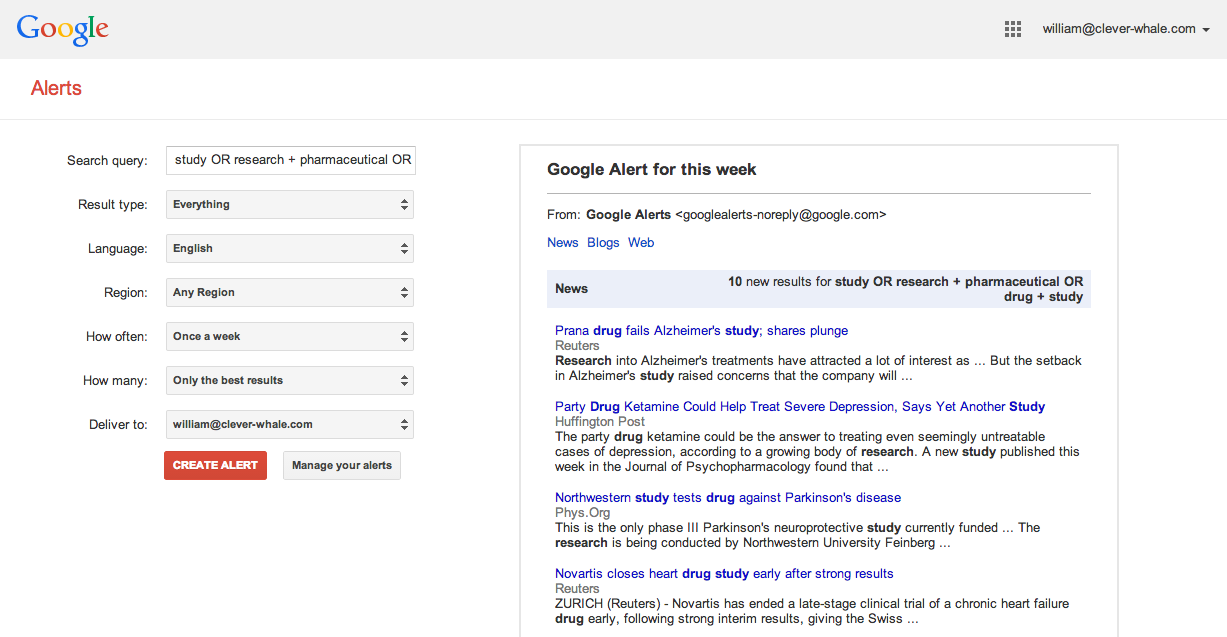
1. Set up Google Alerts to send research updates straight into your inbox. For example, a search query like “study OR research + sleep” gets you the latest sleep-related research on a regular basis.
2. Save all the research you find. Belle uses the Day One app to do this, but any read-it-later or organising program might work too (e.g. Evernote, Trello, Pocket, Instapaper, Pinboard, Diigo) so long as you can find it again later.
3. Read studies carefully. Don’t just rely on the abstract, as they don’t include all the nuances and caveats the authors may have stated in the full article (I also know that abstracts normally aren’t written by the study authors themselves).
4. Link to original sources. Belle points out:
“Studies often get covered by multiple news sites which simplify the results of the research for a non-scientific audience. This can sometimes lead to inaccuracies and misunderstandings. For that reason, I try to always link back to an original study or source, rather than linking to someone who has interpreted the information. That’s almost like relying on other people to do your research for you.”
5. Don’t include everything. You don’t need to use every single bit of research you find…
“Sometimes knowing what to cut is just as important as knowing what to write.”
Helpful thoughts for writers of all stripes: not just science and medical writers. You can read more tips and tools in the full post.
(HT: Guy Kawasaki)